






We are born artists. Then somewhere along the way, we start to shrink. We make ourselves small to fit into other people’s expectations. We keep the peace, avoid the spotlight, and slowly, without even realizing it, we lose our voice.
The problem? When you lose your voice, you lose your creative confidence. That deep trust in yourself that says, “My ideas matter.”
I wrote about this recently on my Substack and wanted to bring the conversation here, because it’s something I’ve lived through personally. There was a time when I played small, said yes when I wanted to say no, and edited myself to please everyone else. It cost me my joy in creating.
So in this post, I want to share what “playing small” looks like, how it affects your creativity, and what I’ve learned about rebuilding that sense of freedom and trust in your own artistic voice.

What Playing Small Looks Like
Playing small is sneaky. It doesn’t always look like fear, sometimes it looks like “being agreeable” or “staying realistic.” But underneath, it’s a quiet form of self-silencing.
For me, playing small meant saying yes when I wanted to say no. It meant not posting a painting because I thought someone else had already done it better. It meant staying in my comfort zone, painting the same things in the same way, because trying something new felt risky.
You might recognize it in your own art life too, when you avoid sharing your work for fear of judgment, or when you keep your brushstrokes neat and safe instead of expressive and bold. When we play small, we trade growth for comfort. And the longer we do that, the smaller our creative world becomes.
How Silence Steals Your Creativity
Silence isn’t always peaceful. Sometimes, it’s what keeps your ideas locked away.
When you stop expressing yourself, your creativity doesn’t disappear, it just goes quiet. Without outlets, those ideas and sparks that once felt exciting start to fade. Creative confidence relies on action, not perfection. It grows every time you try, experiment, and make something new.
When we silence our creative impulses, fear starts taking over. We begin to worry about how others will react. We second-guess what to paint, what to post, or whether we should share at all. Over time, that hesitation becomes a habit. (And trust me, I’ve been there — staring at a blank page, overthinking a simple idea.)
Eventually, art stops feeling like play and starts feeling like pressure. Instead of freedom, you feel stuck. Instead of excitement, you feel numb. That’s what silence does, it slowly steals the joy that made you want to create in the first place.
Why Creative Confidence Matters
When you rebuild your creative confidence, everything shifts. You stop waiting for permission. You start creating because you can, not because you “should.”
Creative confidence gives you the courage to try new ideas (yes, even the messy ones!). It helps you bounce back from criticism and see mistakes as part of the process, not proof that you’ve failed. It’s what makes your work feel authentic instead of chasing trends or approval.
Most importantly, creative confidence gives your art a heartbeat. When you trust your instincts, your brushstrokes loosen. Your colors feel bolder. Your ideas come alive. That’s what happens when you stop shrinking and start taking up creative space again.

How to Rebuild Creative Confidence
Building creative confidence isn’t about flipping a switch, it’s a daily practice. It’s choosing to show up, even when your inner critic is loud. These are a few of my favorite ways to strengthen it (some of which I shared in my Substack series on rebuilding creativity):
- Playfulness. Set a timer for ten minutes and create with zero pressure. Doodle, dance, collage, whatever feels fun. (I call this creative play, and it’s one of my favorite ways to get unstuck. You can read more about it here.)
- Curiosity. Ask “why” again. Follow your interests instead of following rules. Research something that excites you and let it spill into your art.
- Creative problem-solving. Treat your work like an experiment, not a test. Let curiosity lead the way instead of perfection.
- Confidence in your voice. Read aloud, write in a journal, or speak your thoughts while you paint. The more you hear your voice, the easier it becomes to trust it.
- Emotional literacy. Use your art to express what words can’t. Paint what you feel, not what you think will look good.
- Resilience. Every “mistake” is feedback. Each brushstroke, even the ones you don’t love, is teaching you something valuable.
- Flow state. Try painting without a plan. Lose track of time. Let the process guide you — that’s where real creative confidence grows.
- Self-trust. Keep a private sketchbook just for you. No rules, no sharing, no pressure, just play.
- Connection. Join an art class, a creative community, or host a painting night (more on that here!). Surrounding yourself with other artists reminds you that you’re not alone in the struggle to stay brave.
- Imagination. Feed your creativity with things that inspire you like books, music, nature, or art outside your comfort zone.
These practices aren’t about skill. They’re about trusting yourself to create without apology or comparison. (And if you fall off track, that’s okay. You can start again tomorrow).
Bringing It Back to Watercolor
So what does all this have to do with watercolor? Everything.
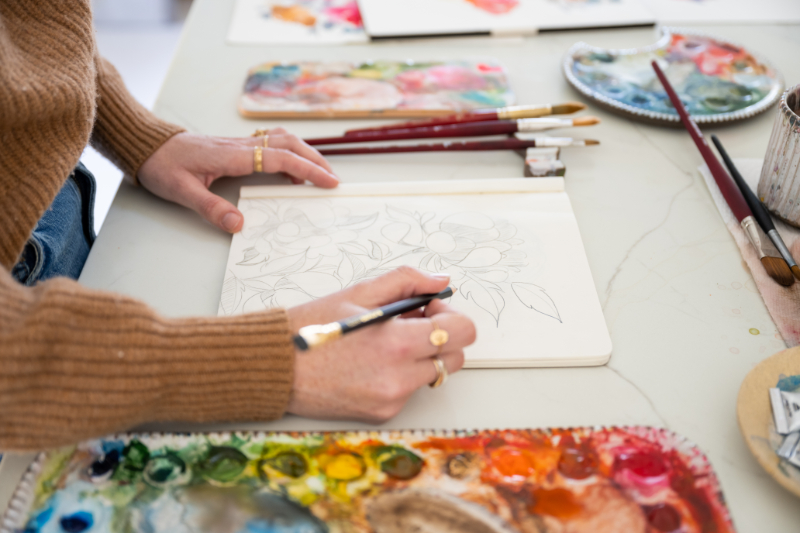
When you’re rebuilding creative confidence, your sketchbook becomes the perfect place to practice courage. Watercolor is naturally unpredictable, it forces you to let go and respond instead of control. It’s a great teacher if you’re willing to listen.
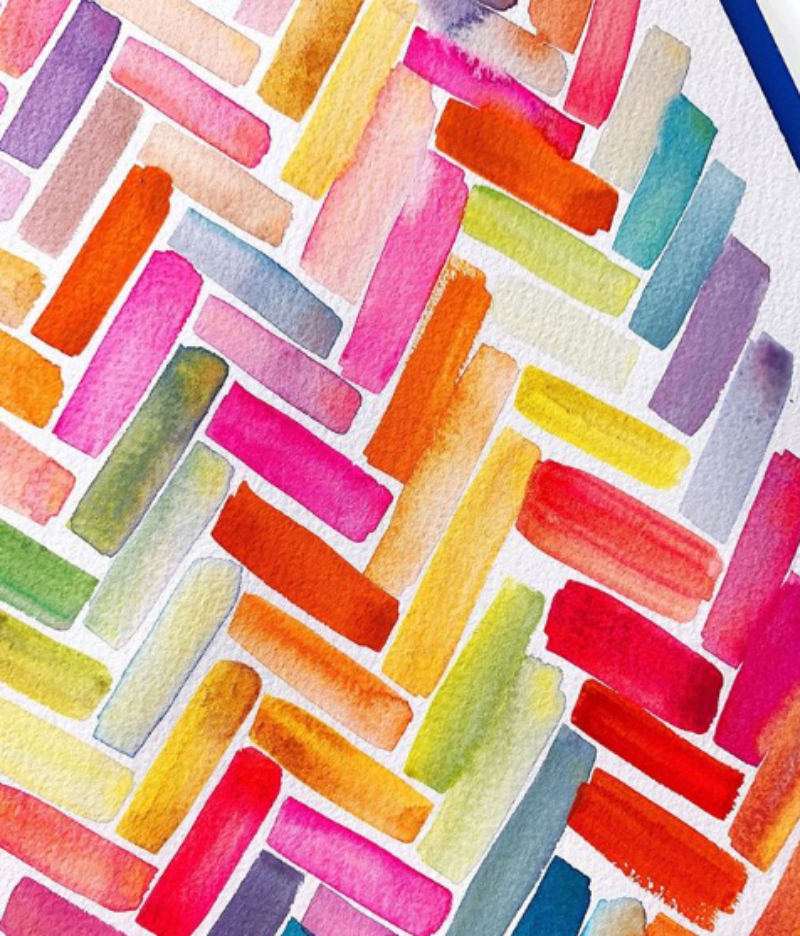
Try creating a loose watercolor page with no subject in mind. Let the colors flow and see where they lead. Experiment with a palette you’ve never used before. Paint something you’ve always wanted to try but never have — maybe a moody landscape, an abstract ocean, or even a whimsical cactus scene.
The goal isn’t perfection; it’s presence. You’re showing up for yourself and giving your creativity space to breathe. And that’s what rebuilding creative confidence looks like in action.
If you want a structured way to stay consistent, my watercolor books and online watercolor courses are designed to help you practice, explore, and find your personal style one page at a time.

Go With the Flow
Creative confidence isn’t something you’re born with. It’s something you build, one small act of bravery at a time. Every time you take a risk, share your work, or follow your curiosity, you’re reclaiming a piece of your creative voice.
So stop playing small. Your art, your ideas, and your voice deserve to take up space.
And if you’re ready to keep exploring, check out my Creativity Playbook. It’s a compact but powerful guide packed with prompts, reflections, and exercises to help you stay inspired and move from ideas to action. Think of it as your creative companion, the perfect next step for building lasting momentum in your art practice.
And for even more connection and guidance, join me on Patreon. You’ll get early, ad-free tutorials, live monthly classes, and access to a supportive art community that grows right alongside you.








+ show Comments
- Hide Comments
add a comment