







Hey friend! Can I be honest with you for a second? For the longest time, I used to paint the most detailed little floral subjects and then just… stare at the blank space around them. The background felt like this scary, make-or-break moment where one wrong move could ruin everything I'd already worked so hard on. Sound familiar?
Here's the thing I wish someone had told me earlier: a watercolor painting background doesn't have to be intimidating. In fact, once you understand a few simple principles, backgrounds become one of the most fun and freeing parts of the entire painting process. So let's break it all down together, step by step, and get you feeling confident the next time you pick up your brush.
Why the Background Matters More Than You Think
Think of your watercolor painting background as the stage for your main subject. It sets the mood, creates depth, and gives your focal point a place to really shine. A soft, warm wash behind a floral can make those petals feel like they're glowing. A cool, muted background behind a landscape can push your mountains forward and create that beautiful sense of distance.
But here's the best part: backgrounds don't need to be complicated to be effective. Even the simplest wash of diluted color can completely transform a painting from “nice sketch on white paper” to “whoa, that looks finished.”
And if you're sitting there thinking, “But what if I mess it up?”… you're not alone. That fear of ruining a painting with the background is probably the most common thing I hear from beginners. So let's just normalize that right now: it's okay to be nervous, and it's okay if it doesn't turn out perfectly. That's literally how you learn. Create something every day even if it sucks, right?

The Biggest Mistake Beginners Make with a Watercolor Painting Background
If I had to pick the single biggest mistake I see beginners make with their watercolor painting background, it's this: not having a plan.
Here's what usually happens. You spend all this time painting a gorgeous subject. You're feeling great about it. And then you look at all that white space and think, “Oh no, I need to do something with this.” So you rush in with paint, panic a little, and before you know it you're overworking the area trying to “fix” things that honestly just needed to be left alone.
That cycle of panic and overworking? Totally normal. But totally avoidable, too.
The simple fix is to think about your background before you start painting. Even just a rough idea of what you want will save you so much stress later. And remember: simple is always better than perfect. A clean, intentional wash will look a hundred times better than a complicated background you stressed over for twenty minutes.
What to Decide Before You Paint a Watercolor Background
Before you touch brush to paper, take a minute to think through a few quick decisions. This doesn't need to be a whole production. Even a thirty-second mental checklist makes a huge difference.
Here's what to consider:
- Light or dark? Do you want a light, airy watercolor painting background or something deeper and more dramatic? This sets the overall feel of your piece.
- Soft or bold? A soft, blended look creates calm energy. A bolder background with more pigment adds contrast and visual weight.
- One color or multiple? Starting with a single color is a great beginner move. Once you're comfortable, you can experiment with blending two or three colors together.
- Where is your focal point? Knowing where your main subject sits helps you plan where to keep things lighter or leave white space.
You can sketch a quick pencil note on scrap paper or simply picture it in your head before you start. The key is to go in with intention rather than winging it at the end. No overthinking required, just a loose game plan!
Want to see these tips in action? In this video, I walk you through simple watercolor painting ideas for beginners so you can practice backgrounds with easy, low-pressure projects. Hit play and let's paint together!
Easy Watercolor Painting Background Techniques for Beginners
Alright, let's get into the good stuff. Here are four beginner-friendly techniques that will give you beautiful watercolor painting background results without a ton of stress.
1. Wet-on-Wet Wash
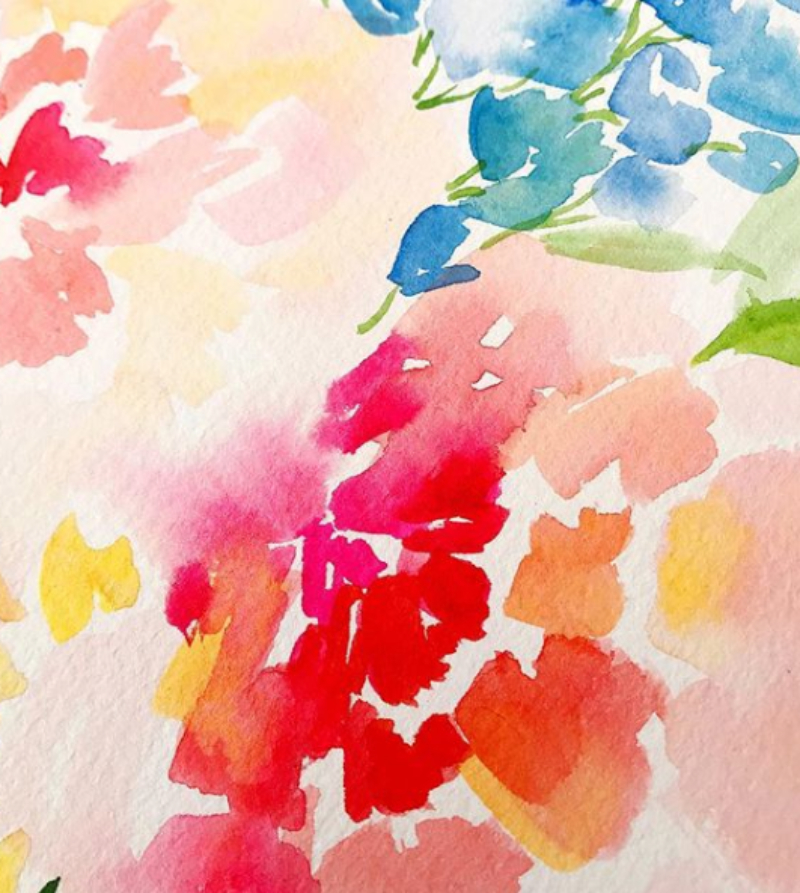
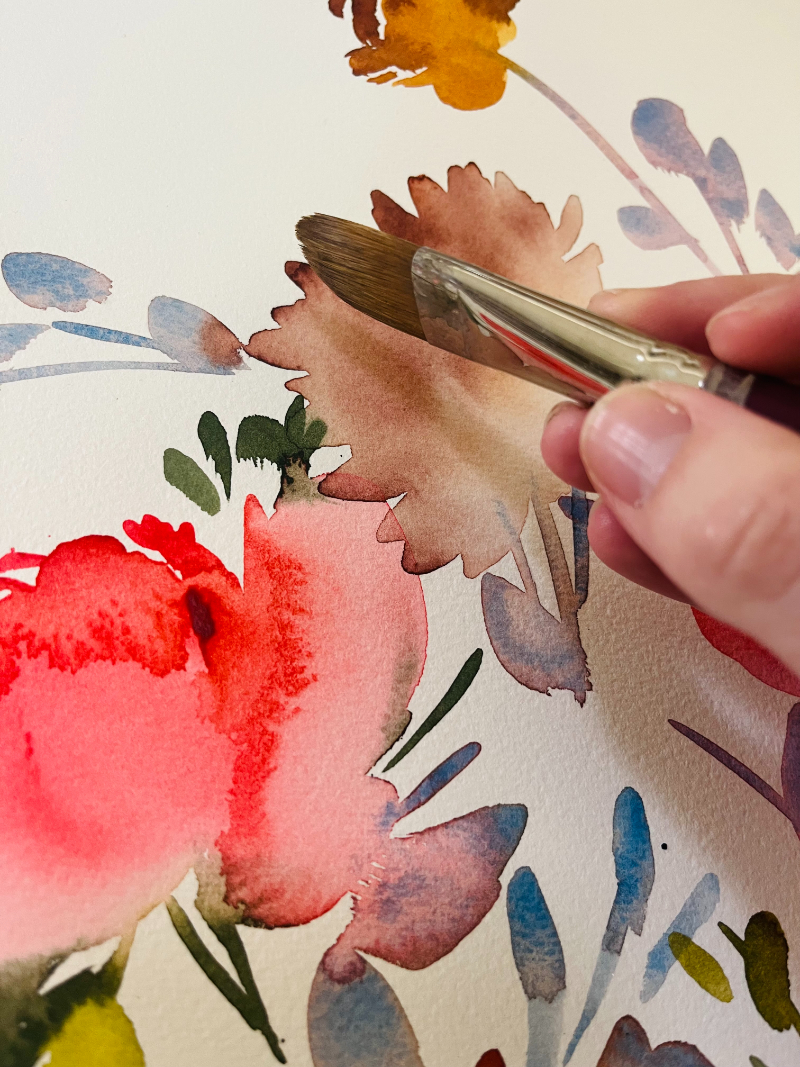
This is probably the most popular background technique for watercolor, and for good reason. You wet your paper first with clean water, then drop in your paint and let it flow. The result is a soft, dreamy wash that's perfect for florals, landscapes, and just about anything else. I love using my Princeton Heritage 4050 size 16 brush for this because it holds a ton of water and covers large areas quickly.
2. Soft Gradient
A gradient goes from darker pigment to lighter (or from one color to another) across the page. Start with more pigment on one side and gradually add more water as you move across. This is a gorgeous way to create depth and direct the viewer's eye toward your subject.
3. Loose Abstract Shapes
Instead of covering the entire background evenly, try painting loose, organic shapes of color around your subject. This works especially well with loose watercolor paintings and gives your piece an artistic, modern feel without requiring precision.
4. Simple Splatter or Texture
A little splatter can add so much personality to a watercolor painting background. Load your brush with diluted paint and gently tap it to create tiny dots and specks. Use this sparingly though. A little goes a long way, and too much can get muddy fast.
My biggest tip? Pick one technique per painting and really get comfortable with it before layering techniques together. You don't need to do everything at once.
Want all of these background techniques (and more) in one handy reference? My watercolor techniques cheat sheet covers everything from wet-on-wet washes to color theory to brush control. It's like a friendly guide you can come back to anytime you feel stuck.
How to Choose Colors for a Watercolor Painting Background
Color choice can feel overwhelming, but it really doesn't have to be. Here are a few guidelines that keep things simple:
- Stick to one to three colors max. Fewer colors means fewer chances for things to go muddy. When in doubt, one color diluted to different strengths looks beautiful.
- Use more water, less pigment. A diluted background lets your subject stay the star. You can always add more color later, but you can't easily take it away.
- Let your subject guide you. Look at the colors in your main painting and choose background tones that complement them. If your subject is warm (reds, oranges, yellows), a cool background (blues, soft greens) can create lovely contrast, and vice versa.
The goal is for your background to support your subject, not compete with it. Think of it like a supporting actor in a movie. It's there to make the lead look even better.
If choosing background colors still feels like guesswork, my color mixing for beginners guide will help! I walk you through consistency, value, and easy exercises that make mixing feel way less stressful. It's a great next step after practicing your washes.

How to Keep Your Watercolor Painting Background Soft and Fresh
One of the most common frustrations I hear from beginners is that their backgrounds end up looking overworked or muddy. So here's how to keep things looking soft and fresh:
- Use more water than you think you need. Seriously. When it comes to watercolor backgrounds, extra water is your best friend. It keeps everything flowing and prevents harsh lines.
- Work quickly and confidently. Once you lay down paint on wet paper, try to resist the urge to keep going over the same spot. Let the water and pigment do their thing.
- Let areas dry completely before touching them again. Fussing with a half-dry wash is the fastest way to create blooms and unwanted textures. Walk away, grab a coffee, and come back to it.
- Know when to stop. This is honestly the hardest skill in watercolor, and it applies to backgrounds more than anything. If it looks good, put the brush down. Done is better than “perfected” into oblivion.
If you want to dive deeper into foundational watercolor techniques like these, my free e-book, The Complete Beginner's Guide to Watercolor, covers everything from supplies to color theory to composition. It's a great companion to have while you're practicing.
Fixing a Watercolor Painting Background That Feels “Off”
Okay, so what if you've already painted your background and something feels… not quite right? Don't panic. You've got options.
- Lift paint gently. Use a slightly damp brush or a paper towel to lift color from areas that feel too heavy. This works best while the paint is still a little wet, but you can also lift from dry areas with some patience.
- Soften edges with clean water. If you have harsh lines where you don't want them, run a clean, damp brush along the edge to blend it out.
- Add subtle layers once it's fully dry. Sometimes a background just needs a second light wash to even things out or deepen one area. Wait until everything is completely dry first.
- Reframe “mistakes” as texture and character. This one is huge, friend. Those unexpected blooms, uneven washes, and happy accidents? They often add more personality and life than a perfectly even background ever could. Watercolor is beautiful because of its unpredictability.
For a closer look at techniques like wet-on-wet washes and building layers, my book Everyday Watercolor walks through foundational skills in a 30-day progressive format that's perfect for beginners.
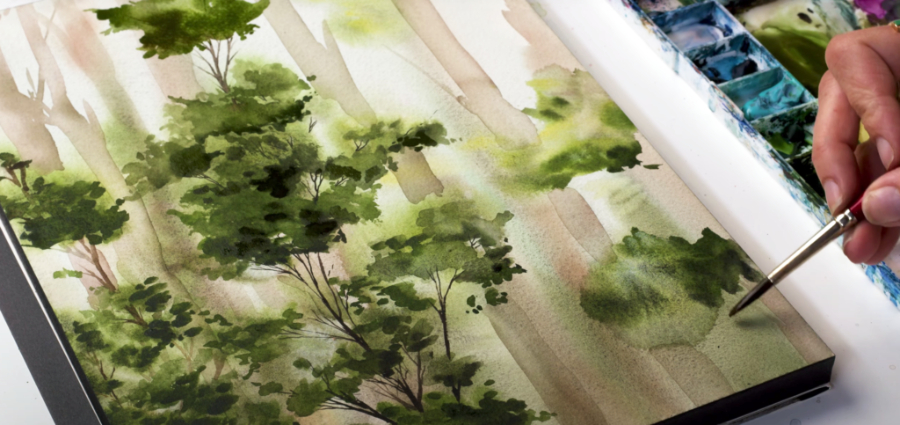
Final Encouragement for Beginners Painting Backgrounds
If there's one thing I want you to take away from this post, it's this: progress comes from repetition, not perfection.
Every single watercolor painting background you paint teaches you something, even the ones that don't turn out the way you hoped. Especially those, actually. The more you practice, the more intuitive it becomes. You'll start to feel when the paper is wet enough, when to stop adding paint, and how much water to load on your brush.
So here's my challenge for you: the next time you sit down to paint, give the background a real shot. Even if it's just a simple wash on a practice piece. Don't save it for “someday when I'm better.” You're ready now.
And if you're brand new to watercolor and want a full walkthrough of the basics, my Beginner's Guide to Watercolor video is completely free and has helped millions of people get started. I'd love for you to check it out.
Now go paint something, friend. I'm cheering for you!












+ show Comments
- Hide Comments
add a comment