







When people first start exploring painting, one question comes up again and again: oil painting vs watercolor. Which one should you choose?
I remember asking the same thing when I was learning to paint. Both mediums looked beautiful. Both seemed a little mysterious. And honestly, both felt a bit intimidating at first.
But once I started experimenting, I realized something important. While both mediums can produce incredible artwork, they offer very different experiences for the artist.
Some artists fall in love with the rich texture of oils. Others, like me, discover that watercolor feels lighter, freer, and easier to fit into everyday life.
So if you’ve been wondering about oil painting vs watercolor, let’s walk through the differences together. By the end, you’ll have a much clearer idea of which medium might be the best place for you to start.
Oil Painting vs Watercolor: A Quick Overview
At a basic level, oil painting vs watercolor comes down to the materials and how the paint behaves.
Oil paint uses pigments mixed with oil. The paint is thick, slow drying, and often applied to canvas. Artists can layer and blend colors over long periods of time.
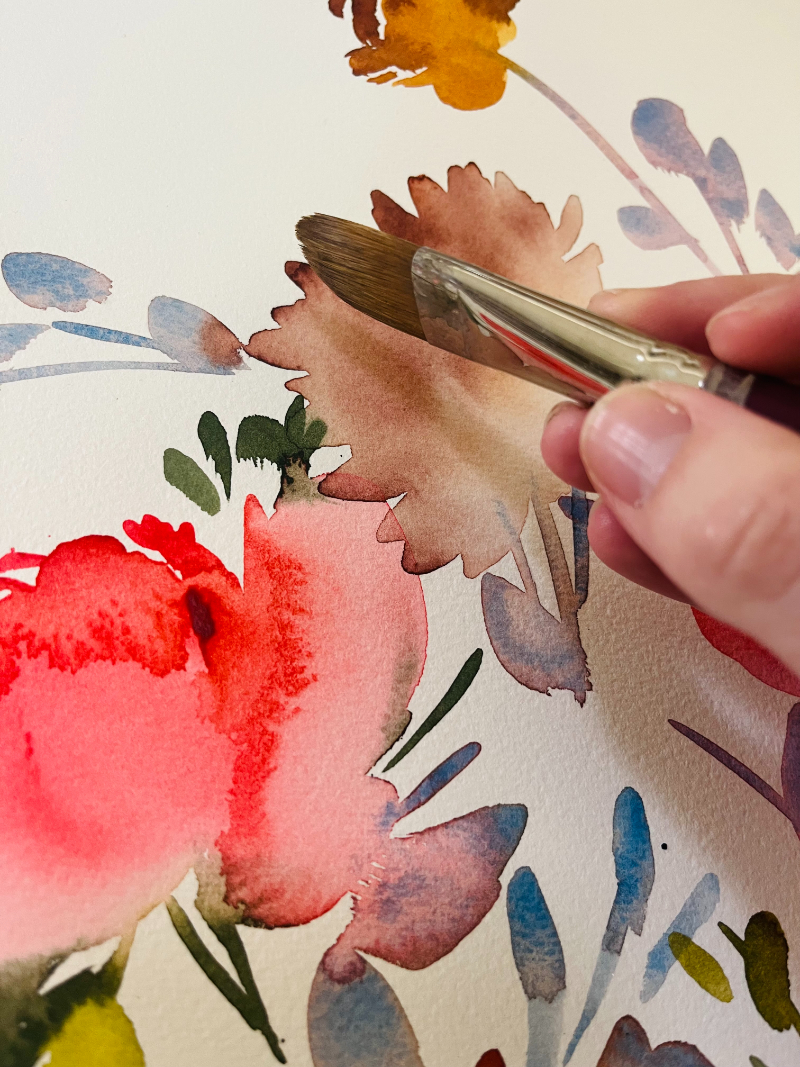
Watercolor paint is very different. It’s activated with water and usually painted on watercolor paper using soft watercolor brushes. The paint flows, spreads, and creates beautiful transparent layers.
Both mediums can create stunning artwork. But they often attract different personalities and creative goals.
Oil painting often appeals to artists who enjoy:
- Rich texture
- Slow, detailed blending
- Traditional canvas painting
Watercolor often attracts artists who love:
- Light, expressive painting
- Quick creative sessions
- Loose, whimsical and intuitive styles
When comparing watercolor vs oil painting, I’ve found watercolor often wins for flexibility, ease, and joy. It invites experimentation and removes a lot of the pressure many beginners feel.
And for people new to watercolor painting, that matters more than people realize.
Supplies & Setup: Oil Painting vs Watercolor
One of the biggest differences in oil painting vs watercolor is the setup.
Oil painting typically requires quite a few supplies:
- Canvas or primed boards
- Oil paints
- Solvents or paint thinners
- Mediums for blending
- Palette knives
- Ventilated workspace
- Longer cleanup time
It’s a beautiful medium, but it can feel like a lot when you’re just starting out.
Watercolor, on the other hand, is wonderfully simple.
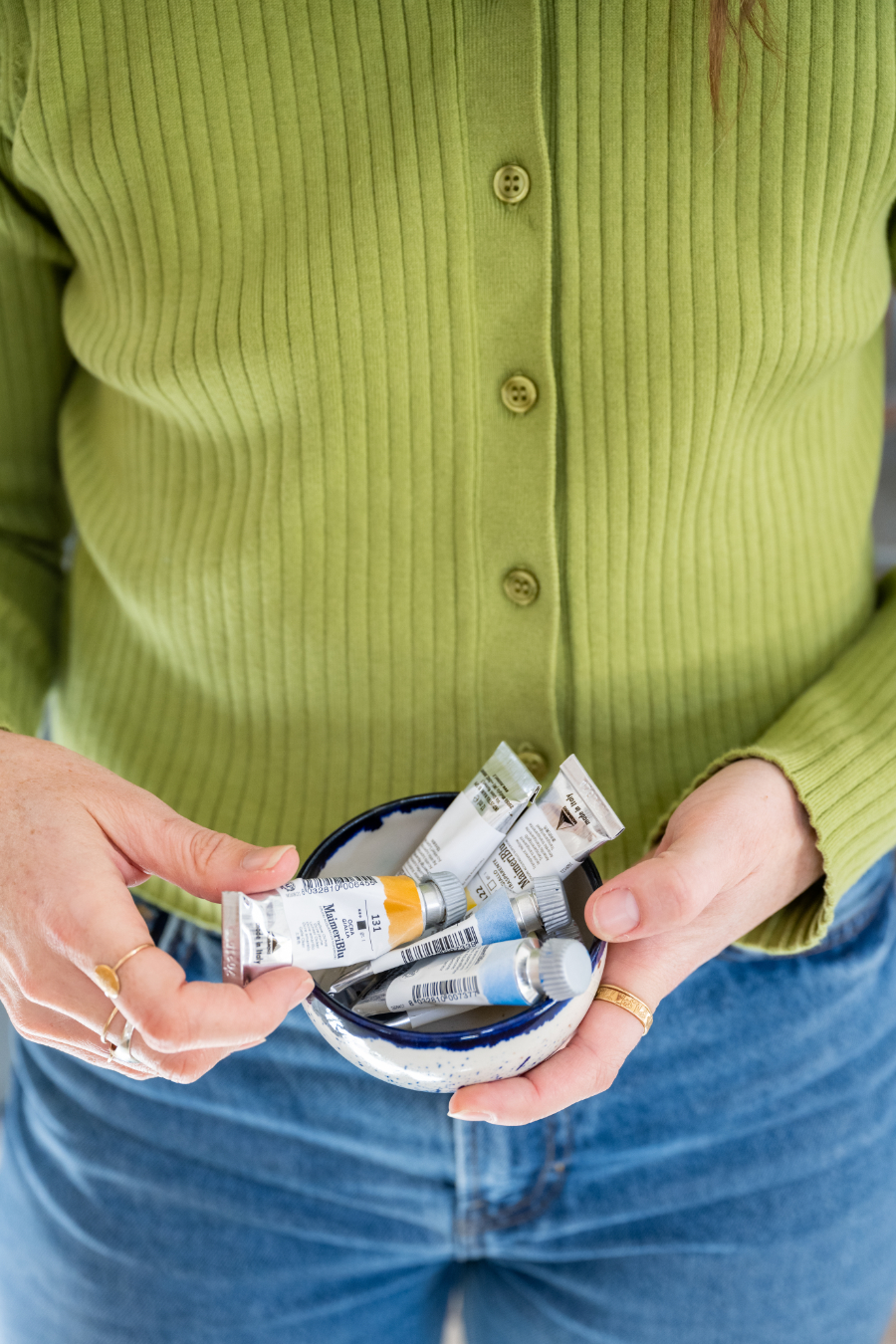
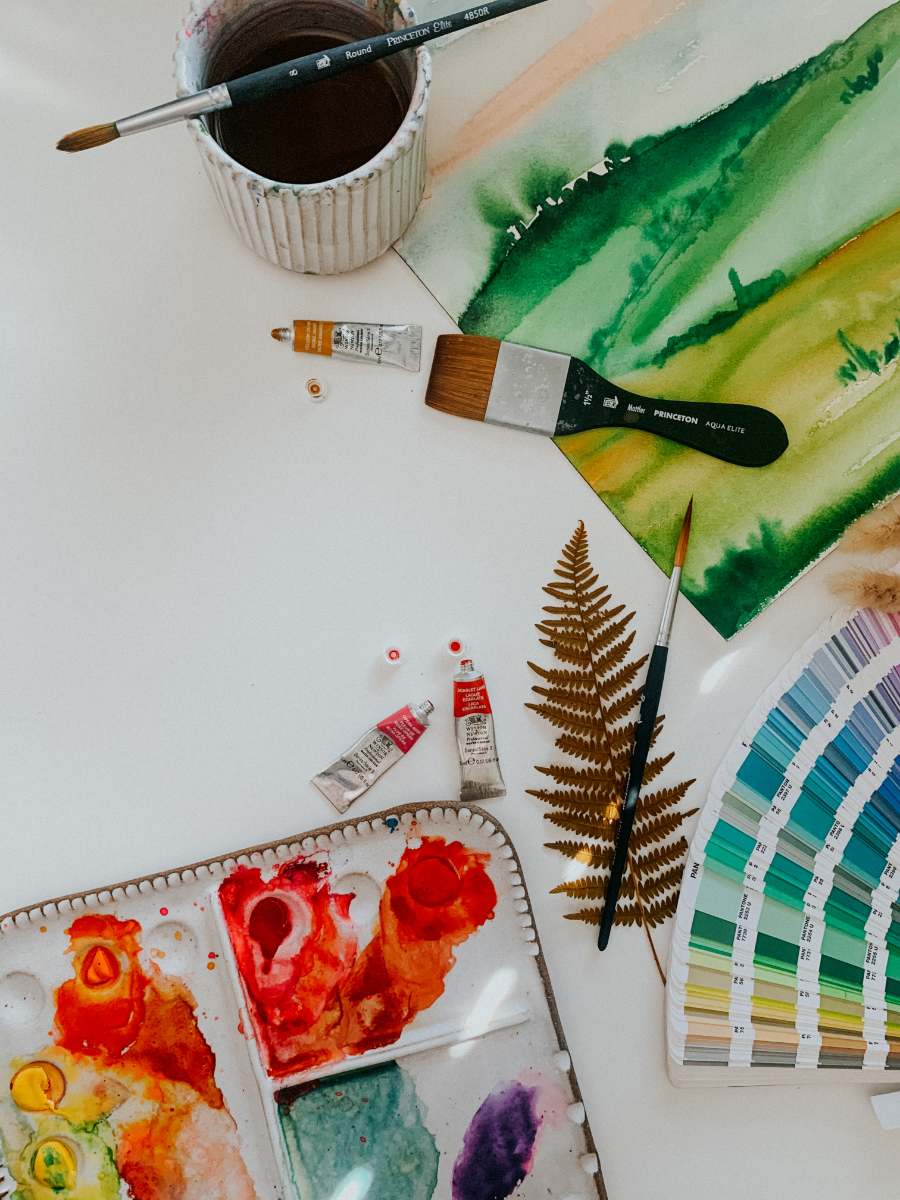
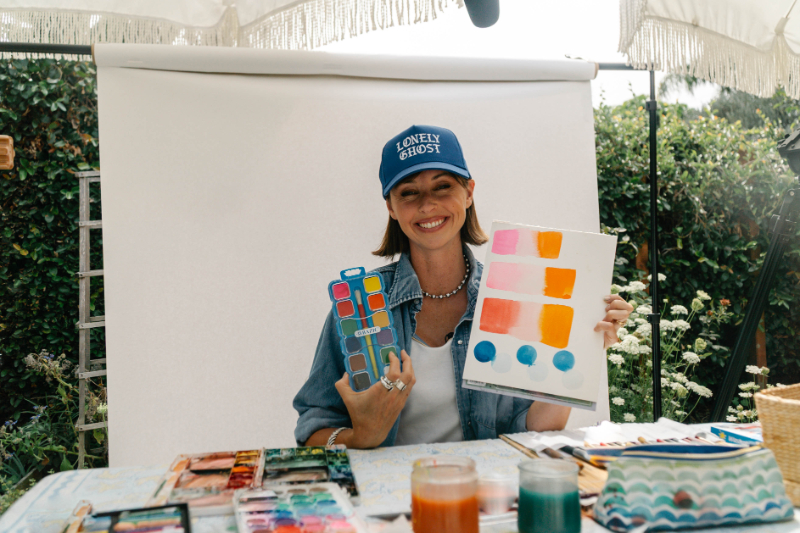
Most beginner watercolor painting setups include just a few essentials:
- Watercolor paper
- A few watercolor brushes
- Watercolor paint
- A watercolor palette
- A jar of water
That’s it.
This simplicity is one reason watercolor for beginners is so approachable. You don’t need a studio. You don’t need ventilation. And you don’t even need a big table.
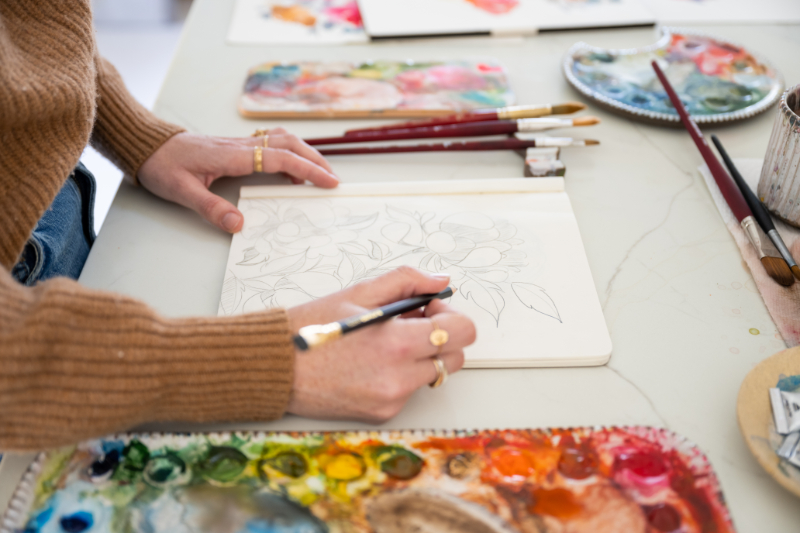
Many artists paint right from a watercolor sketchbook using a small travel watercolor set.
The lower cost of entry also makes watercolor much less intimidating. Instead of investing heavily in art supplies, you can start small and build your collection of watercolor painting supplies over time.
Drying Time & Flexibility: Where Watercolor Really Shines
Another major difference in oil painting vs watercolor is drying time.
Oil paint dries very slowly. Depending on the thickness of the paint, it can take days or even weeks for a painting to fully dry.
For some artists, that’s a benefit. It allows long blending sessions and slow adjustments.
But for beginners, it can also feel frustrating.
Watercolor dries quickly. Often within minutes.
That fast drying time changes everything.
Quick drying encourages experimentation. You can try something, see what happens, and move on without waiting hours.
This flexibility makes watercolor perfect for:
- Short creative breaks
- Daily watercolor exercises
- Quick studies and sketches
Instead of feeling stuck on one painting for days, you can practice multiple easy watercolor paintings in a single sitting.
That’s one reason watercolor art for beginners builds confidence quickly.
The more you practice, the faster you improve.
Style & Expression: Oil Painting vs Watercolor Results
Let’s talk about style, because this is where oil painting vs watercolor really starts to shine in different ways.
Oil painting is known for:
- Deep color saturation
- Heavy texture
- Realistic rendering
- Layered brushwork
Many traditional portrait and landscape paintings use oils for exactly these reasons.
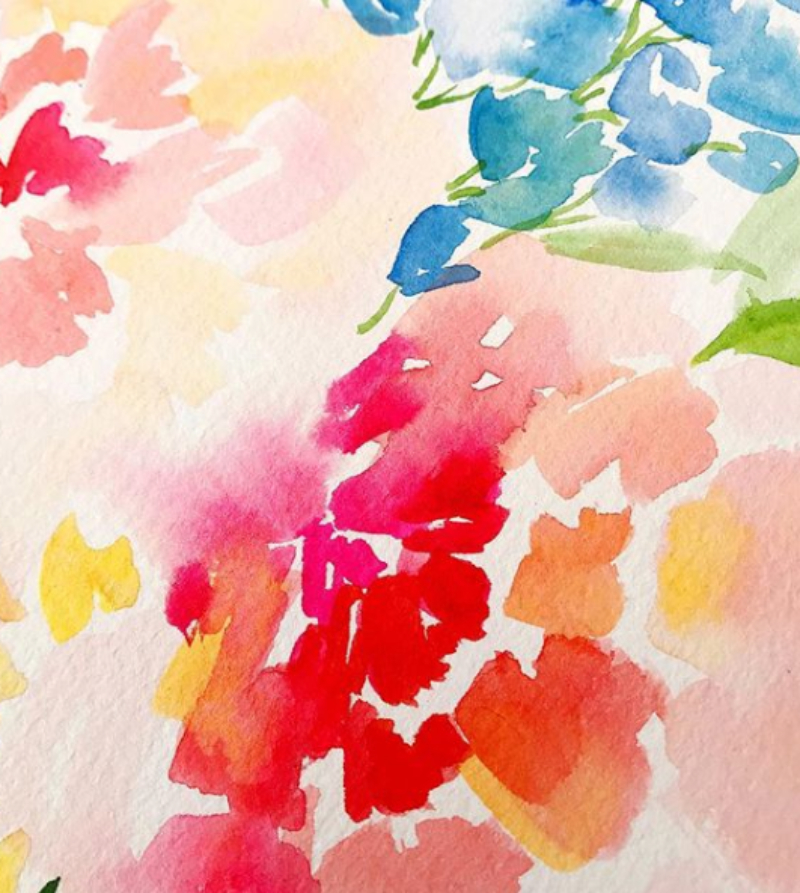
Watercolor, however, has a completely different personality.
Watercolor encourages:
- Light, airy washes
- Transparent layering
- Flow and movement
- Unexpected textures
Some of my favorite watercolor painting ideas involve embracing that flow instead of trying to control every detail.
This is where loose watercolor paintings and whimsical watercolor styles really come alive.
When artists allow watercolor to move naturally, they often discover:
- Expressive watercolor marks
- Soft color transitions
- Beautiful accidental textures
This is why I often describe watercolor as an intuitive medium.
It invites emotion and experimentation.
And honestly, some of the most beautiful results happen when you let go of perfection.
Learning Curve: Which Medium Is Easier for Beginners?
This part of the oil painting vs watercolor conversation surprises a lot of people.
Many beginners assume watercolor must be harder.
After all, you can’t always control the paint.
But in my experience teaching watercolor painting, watercolor often becomes easier faster.
Oil painting comes with several hurdles:
- Managing slow drying layers
- Complex color mixing
- Avoiding muddy paint
- Preventing overworking
Watercolor has its own learning moments too.
For example:
- Learning water control
- Understanding paint dilution
- Letting the paint move naturally
But these skills develop quickly through simple watercolor step by step tutorials.
You can find many on my YouTube channel!
Many beginners gain confidence by starting with:
- Simple florals
- Skies and gradients
- Easy paintings for beginners
- Small sketchbook studies
Once artists understand a few core watercolor techniques, everything begins to click.
And suddenly watercolor stops feeling scary.
Why Watercolor Is Often the Better Choice (Especially Long-Term)
One of the biggest reasons I recommend watercolor in the oil painting vs watercolor discussion is sustainability.
Watercolor fits easily into everyday life.
You can paint almost anywhere:
- At your kitchen table
- While traveling
- In a park
- During a lunch break
A small travel watercolor set and watercolor sketchbook can go anywhere.
One of the things I love most about watercolor is how naturally it fits into a sketchbook practice. My Everyday Watercolor Sketchbook includes prompts and QR code watercolor tutorials so you can practice wherever you are.
Watercolor is also perfect for creative projects like:
- Hand painted cards
- Gifts
- Journaling pages
- Seasonal artwork
And if you want to build a consistent habit, watercolor makes it easier to paint regularly.
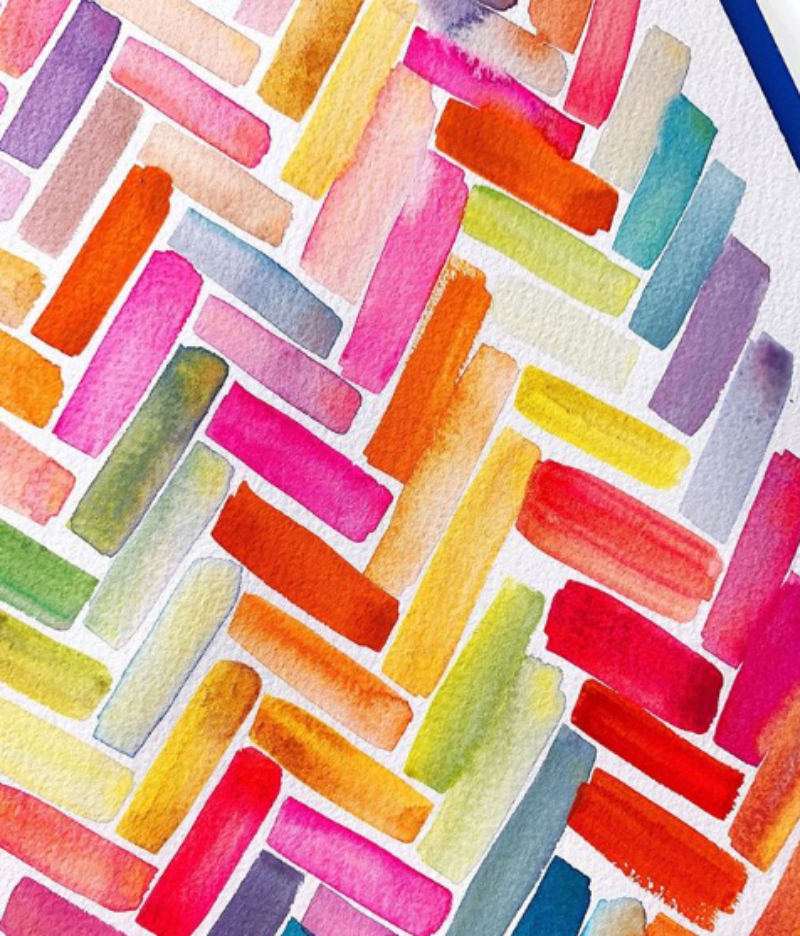
If you want a simple structure to build a watercolor routine, my book Everyday Watercolor walks you through foundational strokes and patterns and then builds into finished paintings over 30 days.
It’s a gentle way to move from basic watercolor exercises into real watercolor art ideas.
Can You Love Both? (Yes! But Here’s Why I Recommend Starting with Watercolor)
When discussing oil painting vs watercolor, it’s important to say this clearly.
You absolutely can love both.
Many artists move between mediums throughout their creative journey.
But I often recommend starting with watercolor because it builds foundational skills that transfer beautifully to other forms of art.
Watercolor teaches:
- Value and light
- Color harmony
- Composition
- Brush control
These lessons carry into oils, acrylics, and other painting styles.
For me personally, watercolor also removes a lot of pressure from the creative process.
It reminds me that art doesn’t have to be perfect to be meaningful.
Sometimes a quick, messy painting can hold more life than something carefully overworked.
That’s the magic of watercolor.
Ready to Try Watercolor? Here’s How to Get Started
If you’re curious about watercolor vs oil painting and thinking about trying watercolor first, start simple.
You don’t need a huge collection of art supplies.
A beginner-friendly setup will work just fine, and from there, start with small projects.
If you’re brand new and want guidance, I created a free Beginner’s Guide to Watercolor that walks you through the supplies, essential watercolor techniques, and beginner-friendly exercises that make getting started much easier.
You can also explore my YouTube watercolor tutorials and watercolor online courses if you’d like step-by-step guidance while you build your skills.
The goal isn’t perfection.
The goal is momentum.
Choose one small painting idea and start today.

Oil Painting vs Watercolor: Final Thoughts
When it comes to oil painting vs watercolor, there’s no wrong choice.
Both mediums are beautiful. Both offer incredible creative possibilities.
But if you’re looking for something flexible, expressive, and beginner-friendly, watercolor is often the easier place to begin.
It requires fewer watercolor supplies, encourages experimentation, and fits into real life without a complicated setup.
Most importantly, watercolor invites joy.
And if you’d like deeper guidance as you explore watercolor, my course The Art Within walks artists step by step through developing technique and discovering their personal creative voice.
No pressure. No perfection required.
Just paint, play, and see where the water takes you.









+ show Comments
- Hide Comments
add a comment