






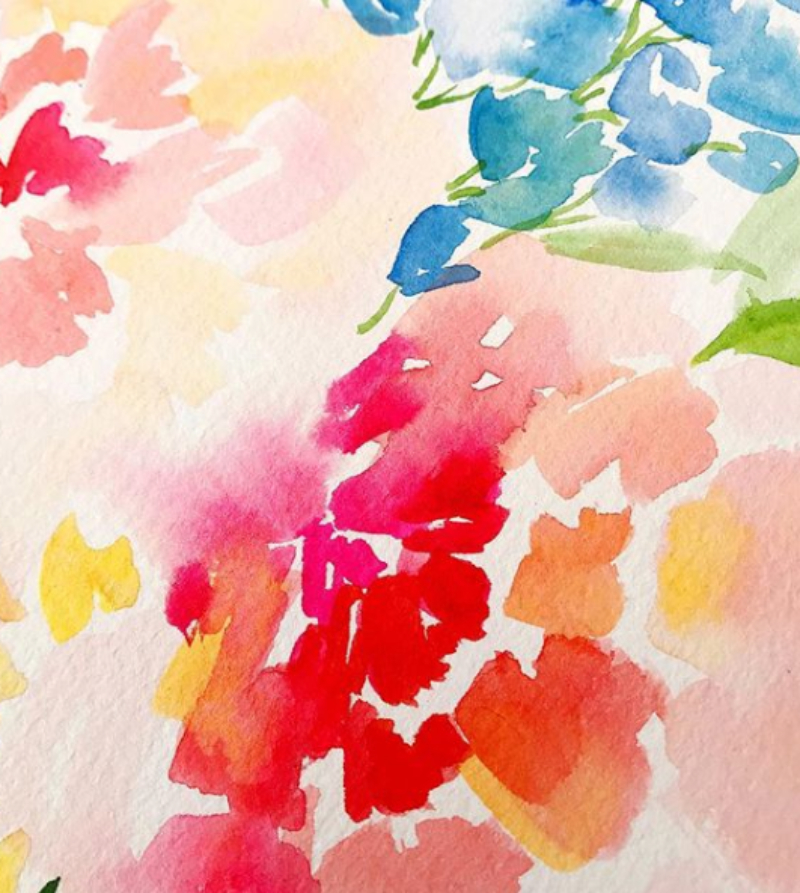
Hey friend! Even if your last first day of school was decades ago, September still hits different. Something about the season just flips a switch. Schedules tighten up, the air changes, and out of nowhere you get this feeling like a fresh start is possible.
It happens every year. And it's actually one of the best creative tools you have.
Because here's the thing, that back-to-school energy is real, and you can borrow it on purpose and apply it to your art.
That's exactly what a creative semester is… a few intentional months dedicated to your art. A focus, a schedule, and a reason to actually show up.
This back-to-school guide is for the person who's been meaning to start. The painter who's hit a plateau. The artist who had a great practice going and then summer ate it alive. If you respond well to a little structure and a clean slate, keep reading.
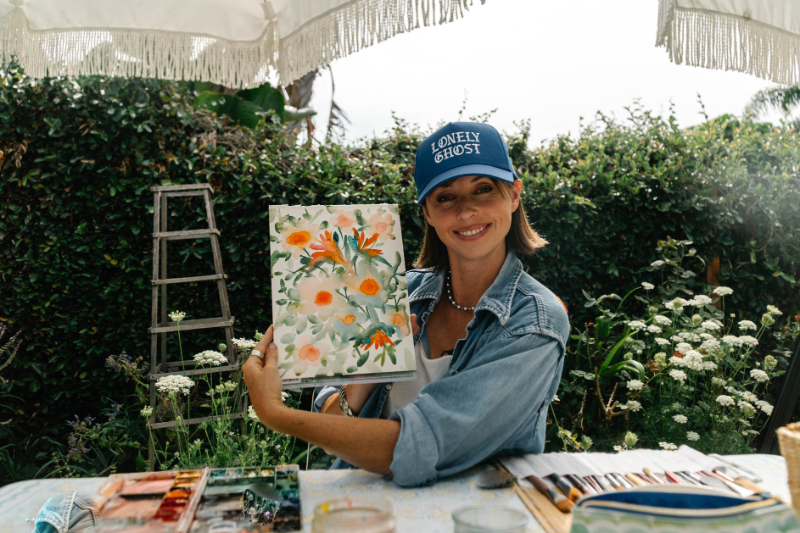
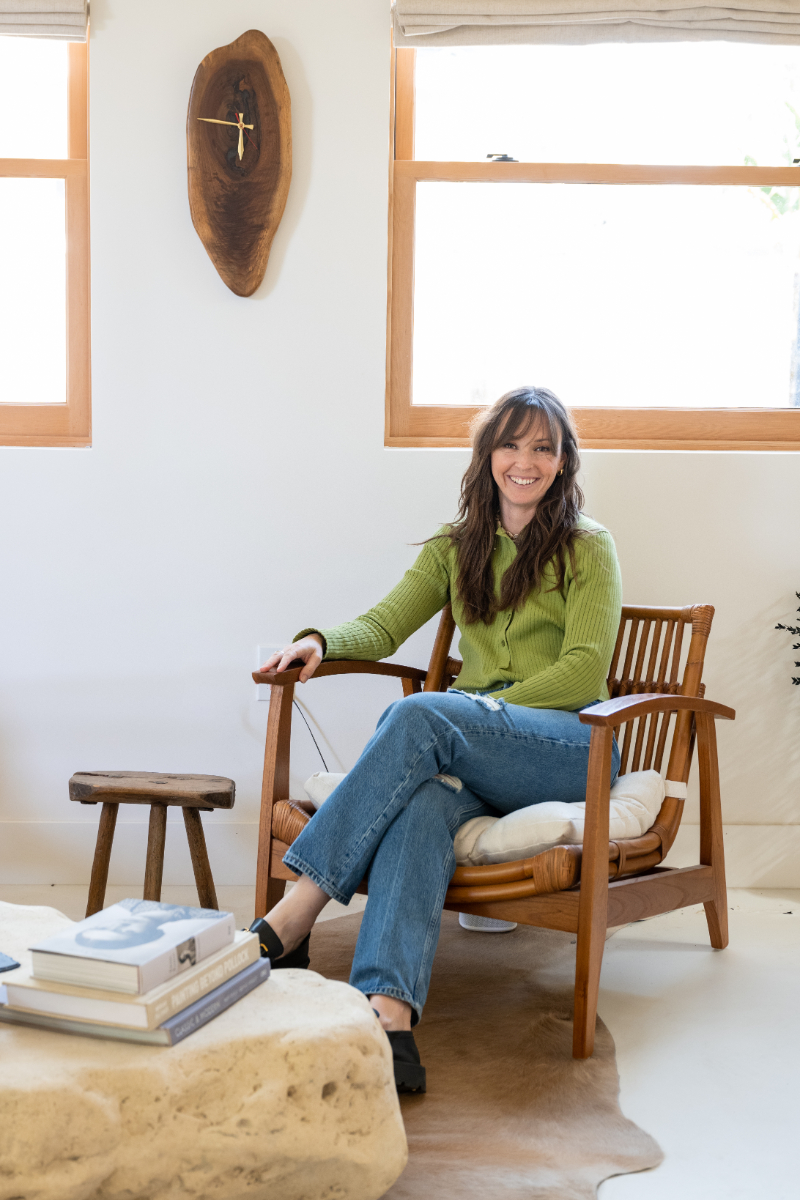
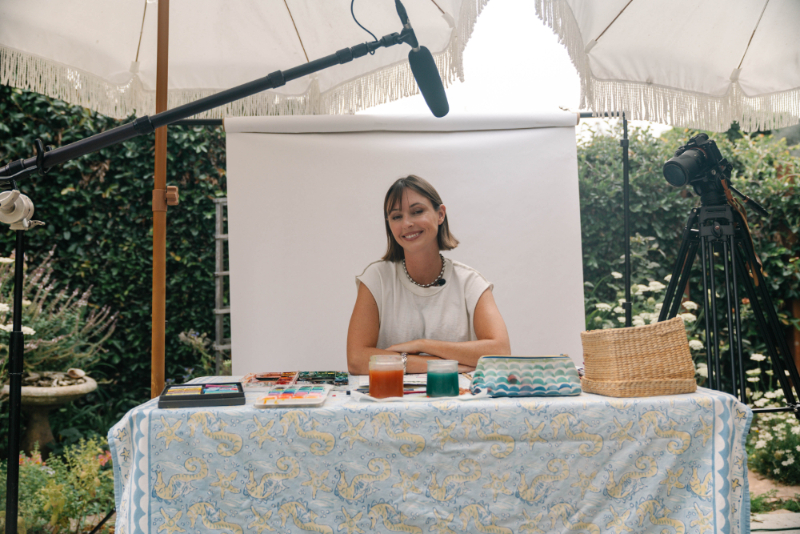
Hi, I'm Jenna. Self-taught watercolor artist, author of the Everyday Watercolor book series, and someone who's spent the last decade-plus helping people find their inner creative voice. I'm also a total psychology nerd, which is why the “semester” framing isn't just a cute metaphor to me. There's real science behind why defined seasons, clear goals, and consistent habits work. More on that in a second.
Here's your back-to-school guide to setting up a creative semester. Five steps, totally doable, and no tuition required.
Why September Is Actually the Best Time to Reset Your Creative Practice
Here's something I find genuinely interesting: New Year's resolutions get all the hype, but September resets tend to actually stick. And the reason makes a lot of sense once you hear it.
The back-to-school season comes with real environmental cues. Shifting schedules, cooler air, the feeling that a new chapter is starting. Those cues prime your brain for habit formation. It's not just nostalgia working on you. It's legit.
Summer is wonderful, but let's be real… for most creatives, it's also inconsistent. Trips, kids home, heat, and the general looseness of the season make creative rhythm really hard to maintain.
It also doesn't hurt that fall is one of the most painterly seasons of the year. Golden light. Warm ochres and deep burgundy everywhere. The pull to be cozy and indoors. If you're going to build a practice, this is the season to do it.
I wrote a whole post on how to become more creative in just 90 days. It’s worth reading alongside this one if you want the full picture.
Step 1: Pick One “Class” for the Semester
Think about it this way… in school you don't take every class at once. You pick a few, work through them, and actually learn something. Your creative semester works the same way.
So pick one focus and commit to it for the fall. That could be:
- A specific technique you keep meaning to try (wet-on-wet, loose florals, watercolor landscapes)
- A medium you've been curious about (watercolor from scratch, gouache, ink)
- A subject area to really dig into (flowers, seascapes, portrait sketching)
- A project you actually want to finish (filling a sketchbook, completing a series, working through a book)
Narrowing it down is the whole point. When you stop trying to do everything, you actually start getting better at something. Your brain needs something consistent to return to. That's where real skill gets built.
Not sure what to pick? Ask yourself: what have I been meaning to learn forever? What have I watched tutorials about but never actually sat down and practiced? What would make me feel genuinely proud at the end of fall?
My post on setting and achieving your art goals is a good next read, it's all about turning a vague intention into an actual plan.
Step 2: Set Your Weekly Painting Date
In school, class happens whether you feel inspired or not. Your creative semester needs the same thing. A consistent appointment with your practice that doesn't get cancelled when life gets busy.
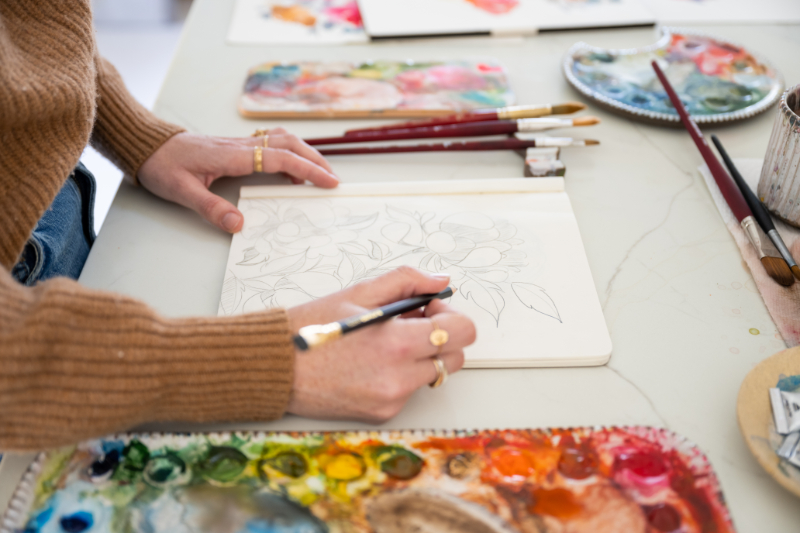
The weekly painting date is exactly what it sounds like. You pick one or two time slots per week and you protect them.
A few things I want you to know about this:
- Short sessions beat marathon sessions every time. Twenty to thirty focused minutes three times a week will do more for your skills than one long session once a month. Consistency is the compound interest of creative growth.
- The 10-minute rule is your best friend during impossible weeks. Even when life is genuinely chaotic, ten minutes keeps the thread alive. A wash exercise, a color swatch, one quick sketch. You're not losing momentum, you're just doing less of it.
- Showing up counts, even when the painting doesn't work. Your semester isn't graded on masterpieces. It's graded on attendance.
My daily habits post and creative habit guide both go deeper on building this kind of rhythm if you want more on the how.
Step 3: Set Up Your Classroom
This one is so underrated and I will die on this hill.
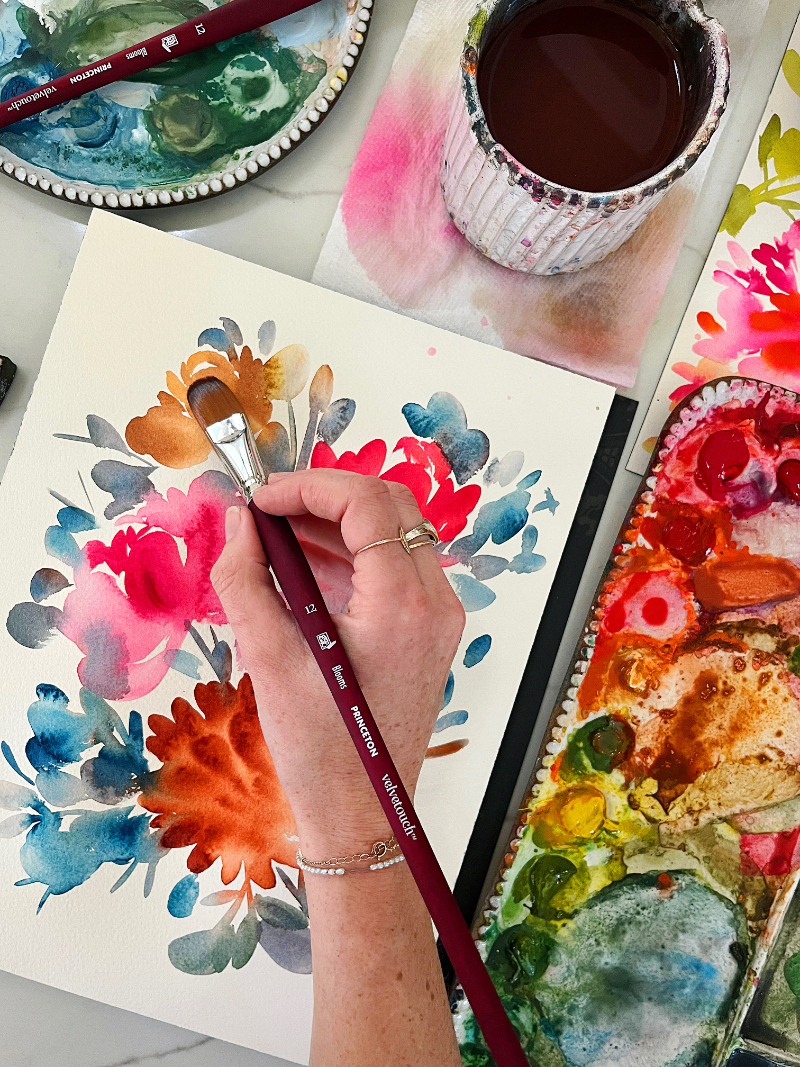
One of the biggest reasons people don't paint consistently isn't lack of motivation, it's friction. If your supplies are buried in a closet and you have to clear the kitchen table and track down your brushes every single time, you will not paint. Not because you don't want to. Because the setup cost is just too high.
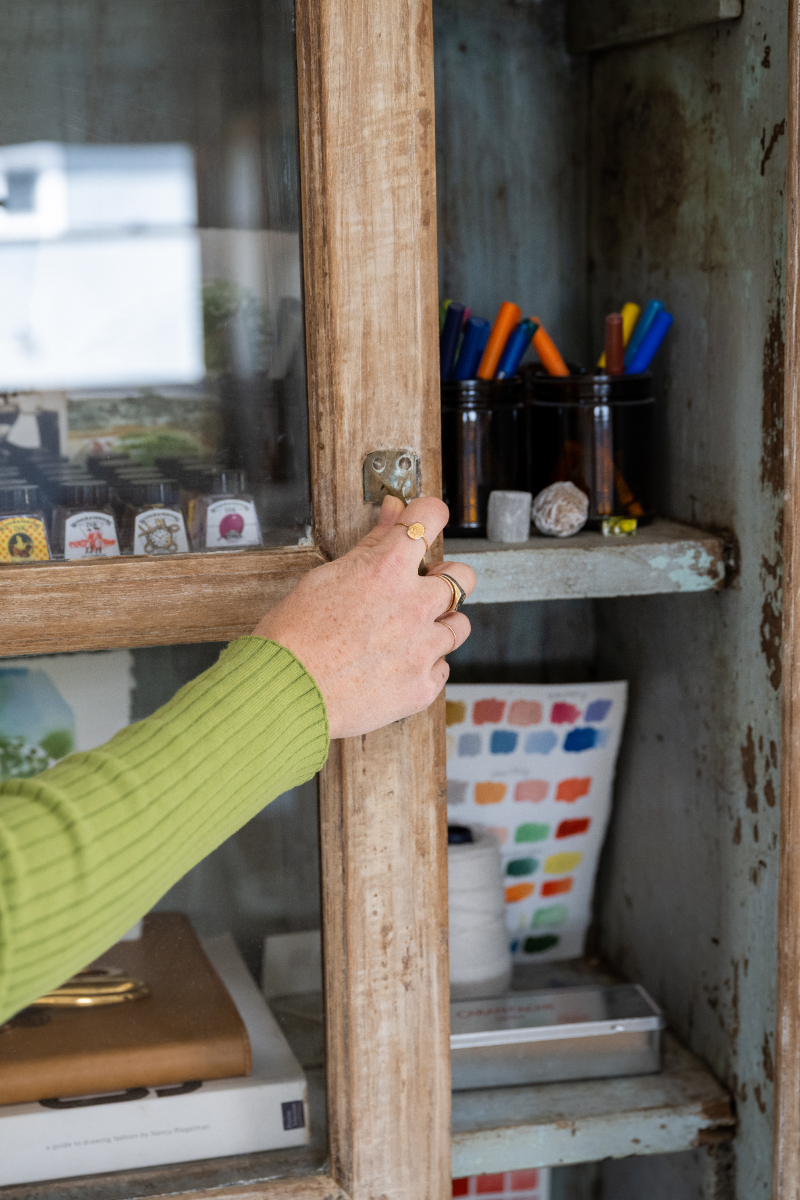
Your creative “classroom” doesn't need to be a dedicated studio. A corner of a room, a cleared shelf, a tray that lives on your desk. Anything that says this is where I make things works.
Three things that make a space actually inviting:
- Accessibility. Most-used supplies are visible, within reach, and ready to go.
- Atmosphere. Something that makes it feel like yours. A candle, a plant, the right playlist. Tiny things genuinely matter.
- Low barrier to entry. Your space should take 60 seconds to open and 60 seconds to close. The easier it is to sit down, the more often you actually will.
Here's a back-to-school ritual worth stealing: do a supplies audit before your semester starts. What do you have? What needs restocking? What can you clear out? Starting fresh and organized feels intentional in a way that makes a real difference.
My art space organization post has a lot more on this, and m yfavorites page has everything I actually use if you're restocking your kit.
Step 4: Build Your Curriculum
Every good semester has a reading list. Yours does too. Except the goal isn't to collect resources. One course completed beats ten courses started. Pick a few things and actually use them.
Here's how I'd set up a curriculum by level:
Starting from scratch:
- My free 2-hour Beginner's Guide to Watercolor on YouTube: a full semester's worth of foundation, free
- Everyday Watercolor: a structured 30-day progression literally designed as a beginner course
- My free Beginner's Guide ebook:keep it open while you paint
Building on existing skills:
- The Everyday Watercolor Companion Course: structured video lessons that go deeper on technique
- 10 tips to improve your watercolor: a quick diagnostic for figuring out where to focus
Working on process and creative voice:
- The Art Within: style development, drawing fundamentals, finding your voice (honestly the graduate seminar of this whole list).
- The Creativity Playbook: structured prompts and reflection exercises built for exactly this kind of intentional season
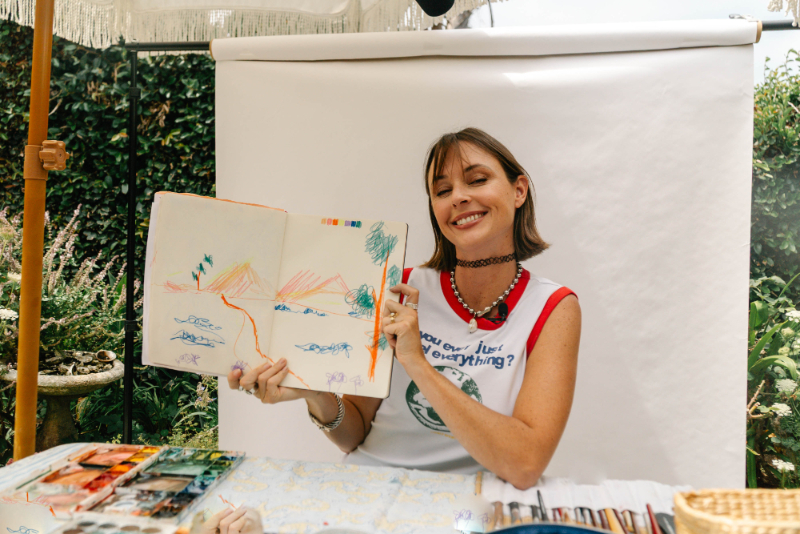
One more thing: dedicate a sketchbook just to this semester. Label it. Start it in September. Fill it by December. It becomes the thing you flip through at the end and go, “I made all of this.” The Everyday Watercolor Sketchbook is mine and it's built with prompts and space for exactly this kind of practice.
Step 5: Track Your Progress and Actually Celebrate It
Here's something that will genuinely surprise you: pull out your first painting from September six weeks later and compare it to where you are. Most people can't believe how much changes when they show up consistently.
Tracking doesn't have to be complicated:
- Photograph every painting, including the bad ones. They're data, not failures. The bad ones especially show you exactly what you were working through.
- Keep a two-line log in your sketchbook. Date, what you practiced, one thing you noticed. Not a journal. Just two lines.
- Do a mini review at the six-week mark. Are you still working toward your focus? Is your schedule still realistic? What needs adjusting?
For accountability, you've got options:
- Solo: The Creativity Playbook has built-in planning and reflection tools that are perfect for this.
- Community: Share your work (even the imperfect stuff) in my Patreon community. Knowing someone else will see your work changes how often you show up for it.
- Buddy system: Find one other person doing a creative semester with you. A weekly photo swap, a text chain, a shared sketchbook flip. It works.
And when your semester wraps up, my post on what to do with your art has ideas for how to archive and actually celebrate what you made.
Your Semester Starts Right Now
You know that feeling on the first day of school when everything feels possible? Clean notebooks. Blank calendar. The sense that something is actually starting?
That feeling is available to you right now. You don't need a classroom or a tuition bill to access it. You just need a sketchbook, a little intention, and a willingness to show up.
So don't wait. This is your back-to-school guide, and your semester starts today.
Grab The Creativity Playbook for planning tools and prompts built for exactly this kind of intentional season. If you're brand new to watercolor, start with the free Beginner's Guide ebook. It's got everything you need to get your supplies sorted and your first painting done. And if you want a community to share your semester with, come find us on Patreon.
Let's make something this fall, friend.










+ show Comments
- Hide Comments
add a comment