





If you’ve ever felt like your worth depends on how much you produce, you’re not alone. As a recovering workaholic, I know that trap all too well. For years, I believed that the only way to “make it” as an artist was to push harder, stay up later, and say yes to everything that came my way.
In my twenties, I was painting watercolor wedding invitations at my kitchen table until 2 a.m. and packing Etsy orders before my morning commute. Every lunch break was spent working on calligraphy pieces in my car (cold leftovers balanced on my lap, of course).
Looking back now, it’s no wonder I burned out by 30.
But that burnout taught me something I couldn’t have learned any other way: art and life both need space to breathe. And today, I want to share what I’ve learned from the messy, exhausting, beautiful process of becoming a recovering workaholic (and how I’m rebuilding a creative life that feels whole again).
(If you’re craving that kind of shift yourself, you might love The Art Within, it’s all about finding your rhythm and flow through watercolor and creativity.)

The Glamour of Hustle Culture, Until It Isn’t
When I first started my art business, hustle culture looked glamorous. Everyone online seemed to be working 100-hour weeks and loving it. I was determined to be one of them.
I said yes to every project. Wedding signage, calligraphy, nursery art, anything that could bring in a paycheck. Eventually, my side hustle became my full-time job. Then came my first book deal, Everyday Watercolor, and I was over the moon. But I was also still running a busy stationery business, meeting clients, and trying to do it all myself.
As a recovering workaholic, I can see now how that lifestyle was unsustainable. At the time, though, I thought exhaustion meant I was doing something right.
The truth is, hustle culture feeds on fear. Fear of slowing down, of missing out, of becoming irrelevant. I told myself that if I just worked a little harder, I’d finally feel accomplished. But instead, I was losing touch with the very thing that made me fall in love with watercolor in the first place: freedom.
(Spoiler alert: burnout doesn’t feel freeing.)
The Burnout Years
By my late twenties, I was running on fumes. I had back pain that wouldn’t quit, insomnia from constant stress, and autoimmune issues flaring up faster than I could manage. My days were long and my creativity was shrinking.
Painting, which used to feel like meditation, now felt like another deadline. I’d pick up my watercolor brushes and feel nothing but pressure. That’s when I started numbing. Pouring myself another Negroni instead of taking a walk, ignoring my body’s signs that something was seriously off.
At 27, I landed in the hospital with a kidney infection that knocked me flat. That moment was my first real wake-up call. My body had been whispering for years, and I hadn’t been listening.
For any recovering workaholic reading this, you probably know that feeling: when rest starts to feel foreign, and productivity feels like the only form of safety.
That was me. And I was tired of it.

The Wake-Up Call
My breaking point didn’t just come from one big event, it came from years of pushing too far. By 29, I was juggling pregnancy, a second book deal (Everyday Watercolor Flowers), and a world tour for my first. From the outside, it looked like everything I’d worked for was paying off. Inside, I was unraveling. After having my son, I was two weeks postpartum, exhausted, and working on my first planner collection for Staples. Two weeks.
Why couldn’t I just stop?
Part of it was fear. I didn’t have a financial cushion or a family safety net. Every project felt like survival. But deep down, I also believed my worth was tied to how much I could produce.
That’s the hardest part of being a recovering workaholic: even when you finally have help, it takes time to unlearn the belief that doing more means being more.
When I finally hired my first operations manager, Kelly, it was like breathing fresh air for the first time. She helped me rebuild the business in a way that actually worked. More importantly, she reminded me that rest doesn’t mean weakness.
Now, my average workday is five hours instead of twelve. (Yes, five.) And somehow, my business runs better than ever.
What I Changed to Rebuild My Life
Rebuilding wasn’t a quick fix, it was a full mindset shift. I started creating slower, more intentionally, both in business and in art. I learned to pause before saying yes and to build time for actual creativity into my schedule.
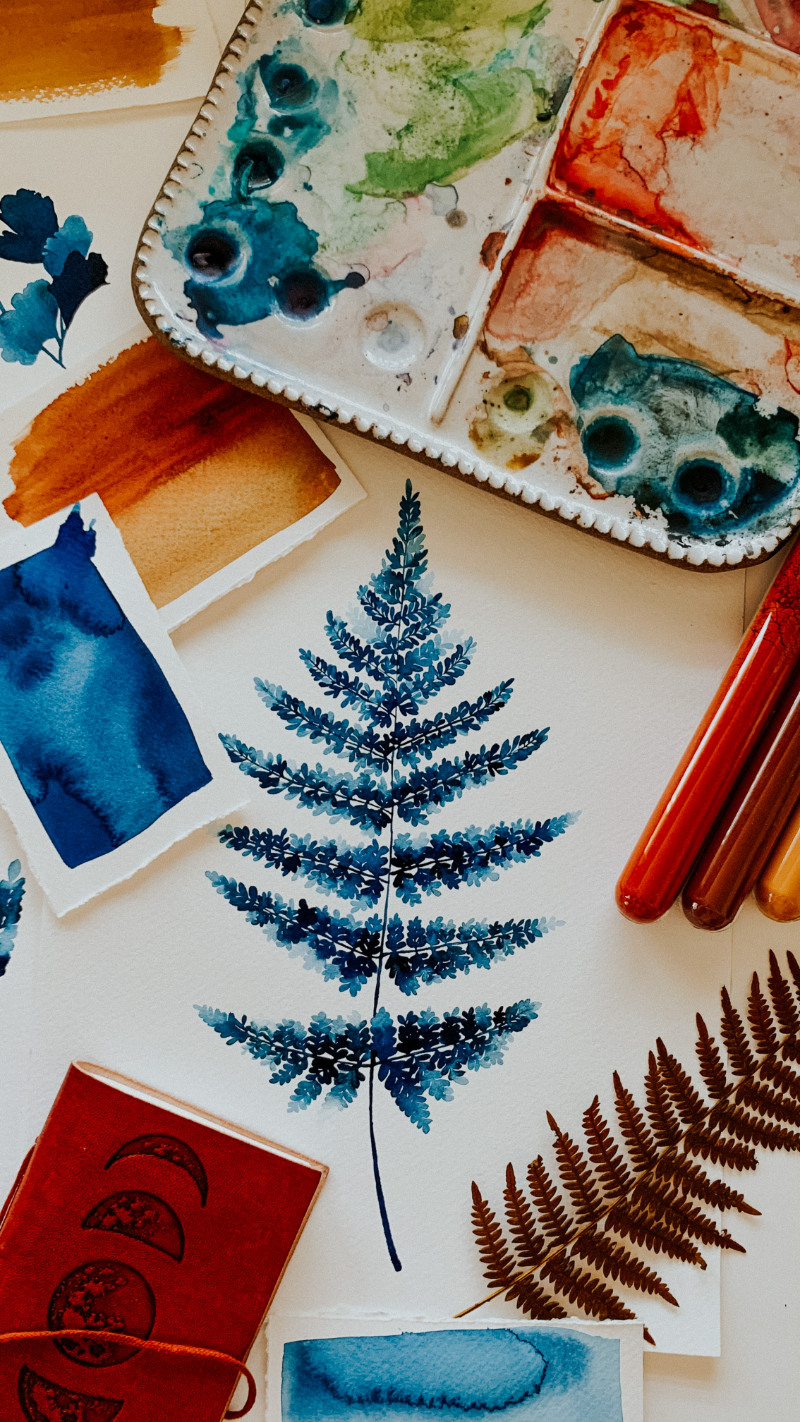
Watercolor became my mirror for how I wanted to live. You can’t rush watercolor, it blooms at its own pace. It reminds me to loosen my grip and let things flow naturally. (If you’ve ever tried wet-on-wet watercolor painting, you know what I mean. The magic happens when you stop overworking the brush.)
For me, recovery looked like reclaiming joy in small ways: painting without a plan, sketching florals for fun, taking breaks in the middle of the day. These tiny acts of rebellion against hustle culture slowly rebuilt my creative spark.
If you’re a recovering workaholic too, I want you to know that slowness is productive. When you give yourself space to rest, your ideas have room to grow.
Lessons for Other Recovering Workaholics
Over the past few years, I’ve learned that burnout recovery isn’t about balance, it’s about boundaries.
I’ve had to redefine success, not as “how much I get done,” but “how fully I can show up.” I started saying no to projects that didn’t align with my values, and yes to work that genuinely lights me up (like painting, teaching, and connecting with other artists).
For anyone on this same journey, here are a few lessons I wish I’d learned sooner:
- Listen to your body. Exhaustion isn’t a badge of honor. It’s a signal.
- Ask for help sooner. You don’t have to do it all yourself (I promise).
- Let go of perfection. Art (and life) get better when you loosen up.
- Build rituals of rest. Whether that’s a morning sketch session or a quiet walk, find something that reconnects you to your creativity.
And if you’re craving a slower, more intentional approach to art, my course The Art Within and my Art Community are built around that very idea. They’re spaces for artists and recovering workaholics alike to paint, play, and breathe again.

Building a Life That Feels Like Art
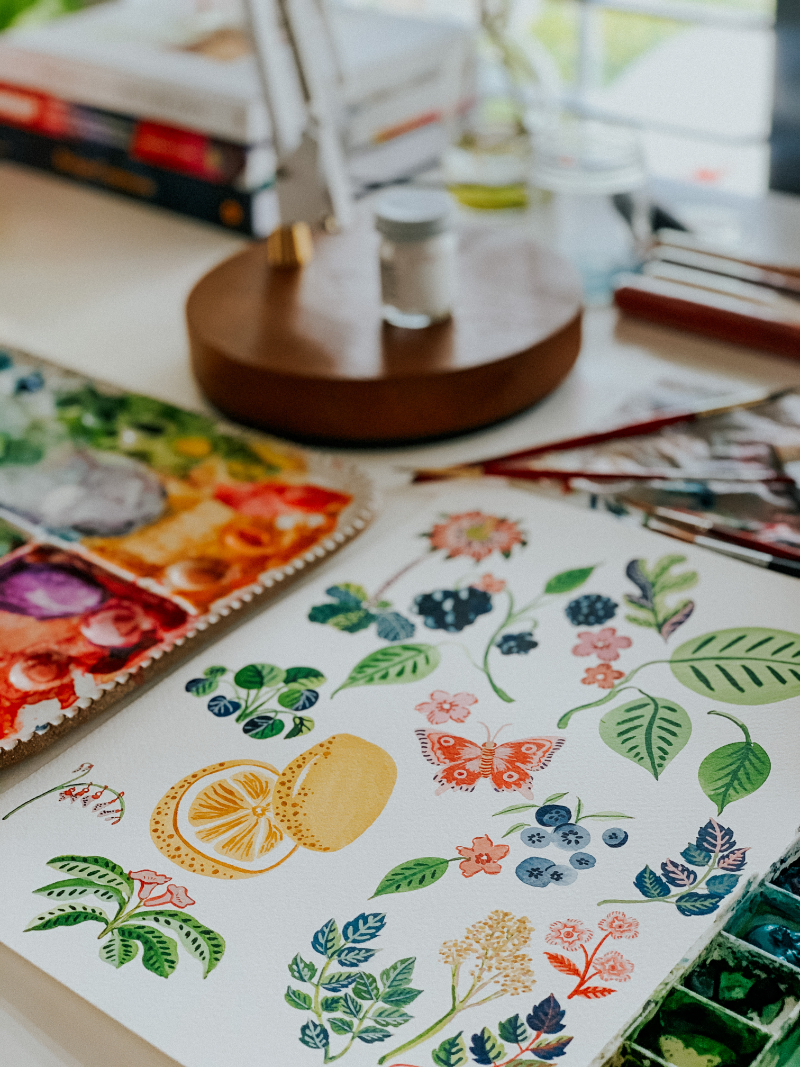
Today, I’m still a recovering workaholic. The difference is, I know how to catch myself before the spiral. I can feel it when I’m slipping back into old patterns. The urge to multitask, to say yes to everything, to fill every blank space on the calendar. But watercolor has taught me something that’s saved me again and again: beauty happens in the pauses. When I sit down to paint now, I don’t rush to finish. I let the water move, the pigment spread, and I wait for the unexpected. That’s how I want to live my life, too. Looser, slower, more intuitive. If you’re reading this and you see yourself in my story, take this as your permission slip to slow down. You can be ambitious and at peace. You can build a thriving art business without burning out. You can recover.
And maybe, just maybe, the best art you’ll ever create won’t be on paper—it’ll be the life you design when you finally give yourself room to rest.
If you’re ready to explore that balance, start with The Creativity Playbook, it’s full of prompts to help you find freedom in your creative process again.
Lastly, if you’d like to hear more about my story and what life looks like now (living overseas, taking a long break from social media, and rebuilding my days with more intention) I’ve been sharing all of it over on my Substack. It’s where I’m documenting the behind-the-scenes of this new season, what I’m learning, and how I’m continuing to grow as a recovering workaholic.








+ show Comments
- Hide Comments
add a comment