






When I first started painting, I thought talent mattered more than tools. Spoiler alert. Supplies matter. A lot. The right watercolor supplies won’t magically make you an artist, but they will make learning easier, more fun, and way less frustrating (which is kind of everything).
If you’ve ever felt confused staring at an art store aisle or overwhelmed by online options, you’re not alone. I’ve been there. So today I’m breaking down watercolor supplies in a simple, no stress way. Paints. Paper. Brushes. Just the essentials you actually need to get started and keep going.
Let’s jump in.
Why Supplies Matter
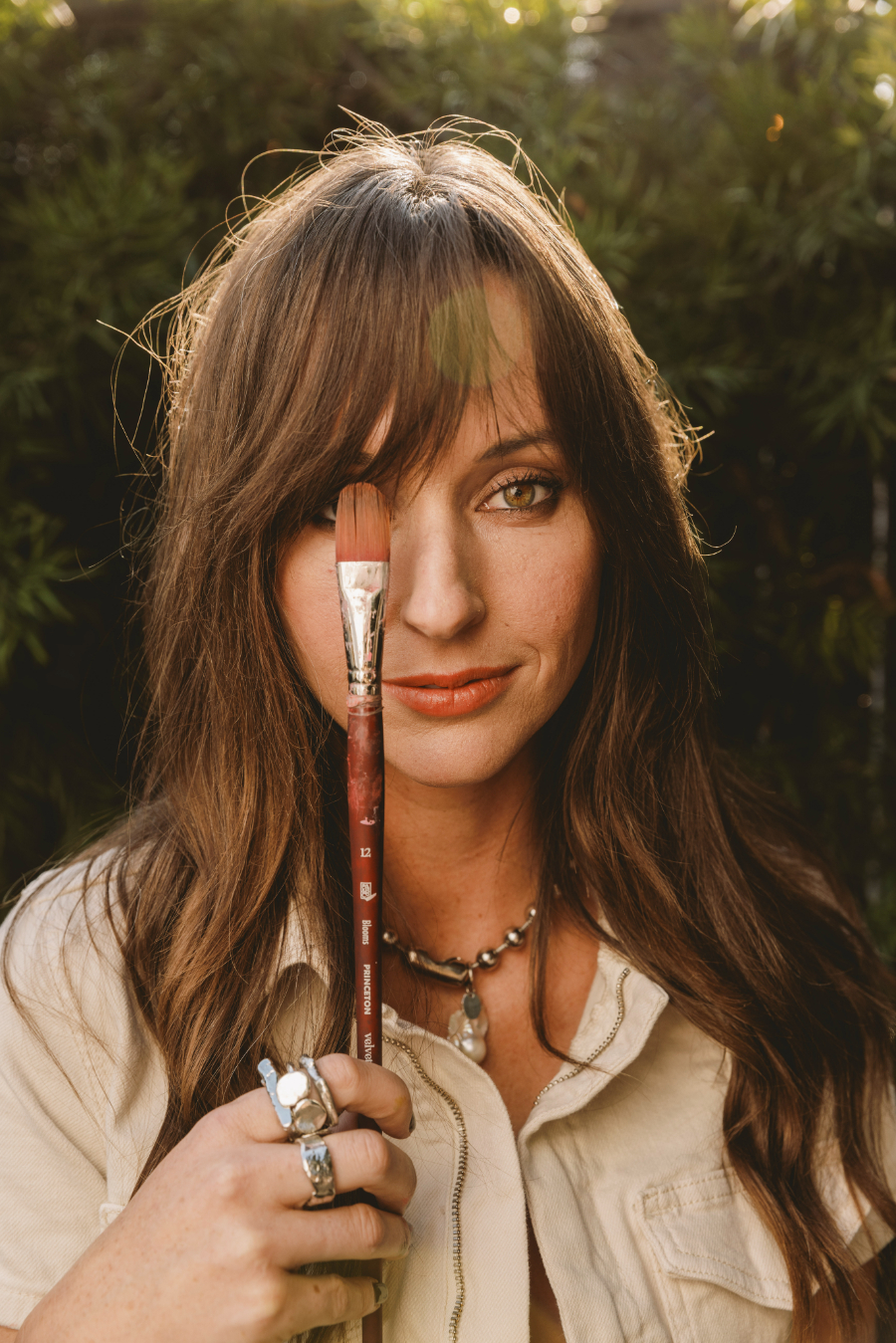
Watercolor is a little sneaky. It looks soft and forgiving, but it reacts fast. Cheap or low quality watercolor painting supplies can make even simple techniques feel impossible. Paint won’t flow right. Paper pills. Colors look dull. Then suddenly you’re blaming yourself (been there, too).
Good watercolor supplies give you control. They let you focus on learning how to paint with watercolors instead of fighting your tools. That doesn’t mean you need the most expensive setup. It does mean choosing materials that work with you, not against you.
This is especially important if you’re new. Watercolor supplies for beginners should support practice and play, not slow you down.
Want a peek at the exact watercolor supplies I’ve used and loved for years? I break it all down with links, tips, and real life favorites on my YouTube video below. It’s perfect if you want to skip the guesswork and start strong.
Paints – Choosing Quality Pigments
Let’s talk paint. This is where most people either overspend or underspend. The goal is balance.
I always recommend artist grade paints when possible. The best watercolor paints have more pigment and less filler. That means richer color, smoother blends, and better results when you layer. You use less paint, too, which means tubes last way longer than you think.
Student grade paints can be fine at first, but they often look chalky and don’t rewet well. That can be frustrating when you’re painting watercolors on paper and trying to build confidence.
If you’re building a palette, start small. You don’t need every color under the sun. A simple mix of warm and cool primaries plus a few neutrals will take you far (for color mixing tips, click here!). Over time, you’ll figure out what colors you reach for most (everyone’s different).
The best watercolor is the one that makes you want to keep painting. If your paints feel juicy and fun, you’ll show up more often. That matters more than a giant color set.
If you want a deep dive into pigments, brands, and how to choose paints that actually last, my ultimate guide to the best watercolor paint walks you through it step by step.

Paper – The Foundation of Your Artwork
If I had to pick the most important supply, it’d be paper. Hands down.
The best watercolor paper is designed to handle water. Regular paper just can’t do that. It buckles, tears, and makes paint behave badly. Good paper absorbs water slowly and evenly, which gives you time to work.
I always suggest 100 percent cotton paper if you can swing it. It’s more forgiving and makes blending easier. Look for paper labeled watercolor paper, ideally cold press if you’re unsure. Cold press has a slight texture that holds pigment in place and works well for most styles.
Weight matters, too. Thicker paper like 140 lb or higher won’t warp as much. Blocks are great because they stay flat while you paint. Less taping. Less fuss.
If you’re curious about why your paint keeps running or drying weird, paper might be the reason. Seriously.
Paper changes everything. In my ultimate guide to the best watercolor paper, I explain textures, weights, and brands so you can find what fits your style and budget.
Not sure whether cold press or hot press is right for you? I break down the differences in a simple, side by side way so you can choose paper that works with how you paint, not against it. Read on here.

Brushes – Your Tools for Expression
Brushes are where watercolor starts to feel personal.
The best brushes watercolor artists use aren’t stiff or scratchy. They hold water well and snap back into shape. That snap is what helps you make clean lines and expressive strokes.
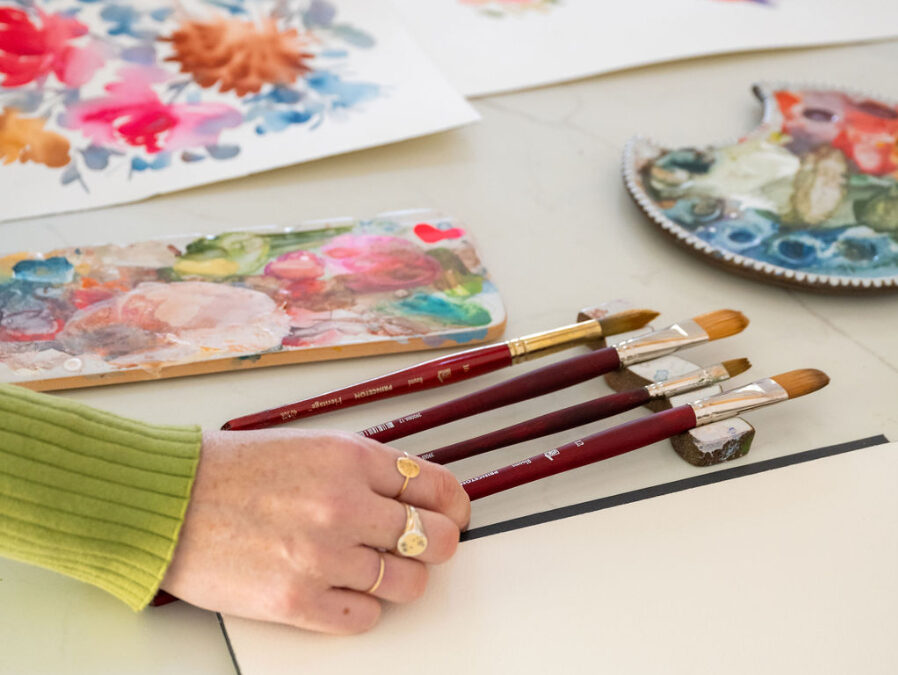
You don’t need a full set. Every watercolor artist should have at least two different size round brushes. A size 6 and size 16. These round brushes can handle most beginner watercolor ideas and are incredibly versatile. They can paint details, washes, and everything in between.
Synthetic brushes have come a long way and are great for beginners. They’re affordable, durable, and easy to care for. Natural hair brushes can hold a lot of water and feel luxurious, but they’re more expensive and not necessary to create beautiful paintings. I personally lean toward synthetic brushes because of the price and because they don’t rely on animal hair. And honestly, neither option is especially eco friendly. So, take care of your brushes. Rinse them well. Don’t leave them sitting in water. Treat them nicely and they’ll last a very long time.
If you want help choosing sizes, shapes, and brands without feeling overwhelmed, my ultimate guide to the best watercolor brushes lays it all out in a clear, beginner friendly way.
Building Your Starter Kit
Here’s the good news. You don’t need much.
A solid watercolor starter kit includes a small set of quality paints, a couple of reliable brushes, and good paper. That’s it. These watercolor supplies cover most techniques and help you learn faster.
Add a palette, two water jars, and a paper towel or cloth. Simple and practical. Fancy extras can come later.
When you keep your setup minimal, you actually paint more. There’s less decision fatigue and more time with a brush in your hand. That’s how skills grow.
If you’re just starting out, remember this. Your supplies are tools, not trophies. Use them. Make messes. Practice often. That’s how watercolor clicks.
If I could go back and give beginner me advice, this is exactly what I’d say. I share all of that and more in my article, including what to buy, what to skip, and what actually helps in the beginning.
You can also check out my favorites page if you want a quick list of trusted watercolor supplies I personally use and recommend. It’s an easy way to build your kit with confidence.
Ready to Actually Use Your Supplies?
Watercolor doesn’t require a huge supply list or a perfect setup. It just asks you to start. When your watercolor supplies work with you, painting feels lighter and more enjoyable. You second guess less and practice more, which is where real growth happens.
Buying watercolor supplies is exciting. Using them is where the magic happens. That’s exactly why I created Everyday Watercolor. It’s there for the moment when you’re ready to stop collecting supplies and start painting. It walks you through foundational strokes, simple projects, and daily practice so your paints and brushes finally earn their keep.
So go grab your supplies, make a little mess, and see what happens. You might surprise yourself.











+ show Comments
- Hide Comments
add a comment